

Fed chair nominee feels the heat at confirmation hearing
Kevin Warsh, who will take over as Federal Reserve chair if confirmed, emphasized his independence as lawmakers pressed him on his loyalty to Trump.

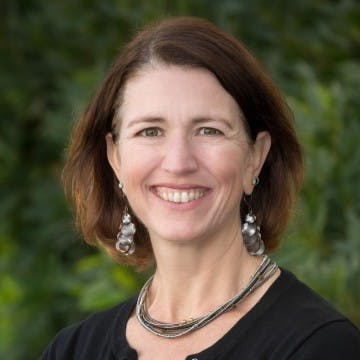
At a confirmation hearing today, Kevin Warsh — President Donald Trump's pick to lead the Federal Reserve — faced tough questions from both Democrats and Republicans on the Senate Banking Committee about his independence, the changes he'd like to make at the Fed, his views on monetary policy and more.
An unusual hurdle: Warsh, if confirmed, would replace current Fed Chair Jerome Powell when Powell's term expires in May. But that's a big "if" — not on account of today's grilling, but because Republican Sen. Thom Tillis has vowed to block any vote on Warsh's nomination until a Department of Justice investigation into Powell is dropped.
That DOJ probe, ostensibly related to a renovation project at the Fed's headquarters, has been criticized as politically motivated by Tillis as well as several former Fed chairs, Treasury secretaries and White House economic advisors. In March, a judge quashed DOJ subpoenas related to the investigation, but the Justice Department said it would challenge the ruling, and Trump suggested during an interview on CNBC's Squawk Box this morning that the investigation should continue.
Too cozy with Trump? Throughout the Apr. 21 hearing, several senators questioned Warsh's ties to the administration and his ability to act independently of the White House, with some implying he could end up being "the president's human sock puppet." Warsh strongly rejected that suggestion, stating, "I will be an independent actor if confirmed as chair of the Federal Reserve."
During Powell's term as chair, Trump has repeatedly demanded that the Fed cut interest rates, and Warsh — who has also advocated for more rate cuts — was asked if he had received similar directives from the president. The nominee told the committee that Trump has "never asked me to predetermine, commit, fix, decide on any interest-rate decision."
Democrat Ruben Gallego pushed back, pointing to a Wall Street Journal story suggesting the opposite. The Journal reported in December that during a White House meeting that month, "the president pressed Warsh on whether he could trust him to support interest-rate cuts if he were chosen to lead the central bank" — reporting that Trump later confirmed.
Warsh reiterated his initial response, insisting that Trump never asked him to commit to rate cuts: "He didn't demand it. He didn't require it, and nor would I have ever done so."
The scope of 'regime change': Last summer, Warsh told CNBC that "we need regime change in the conduct of [Fed] policy," adding that the central bank's "credibility deficit lies with the incumbents that are at the Fed."
The reference to "incumbents" led some to speculate that Warsh might try to replace regional Federal Reserve bank presidents with loyalists, according to CNBC's coverage of today's hearing.
Democrat Lisa Blunt Rochester asked Warsh if his idea of "regime change" included firing current bank leaders. "I mean policy regime change," Warsh responded.
Fewer press conferences, 'messier' Fed meetings? One policy change could include a shift in the Fed's press schedule. During Powell's term, the chair has held a press conference immediately following each Federal Open Market Committee (FOMC) meeting, something Warsh has not committed to.
"Right now, press conferences are held periodically," Warsh said. "If you ask me my true personal opinion right now, Fed chairs and other central bankers around the FOMC, they speak quite frequently. There is no lack of transparency," he said, suggesting that the press schedule could be cut back.
As for the FOMC meetings themselves, Warsh said he hopes for more "big, robust deliberation" among the governors. "I tend to favor messier meetings than some, where people don't show up with rehearsed scripts, but we can have a good family fight," he said.
What's next: Warsh will need to submit answers to additional written questions from lawmakers by April 23, after which the Senate Banking Committee could vote on his nomination. If the committee moves the nomination forward, it would go to a full Senate vote, where it may continue to face resistance from Tillis and others.
If Warsh is not confirmed before Powell's term as chair ends next month, the Fed leader said he will stay on as chair pro tempore.