
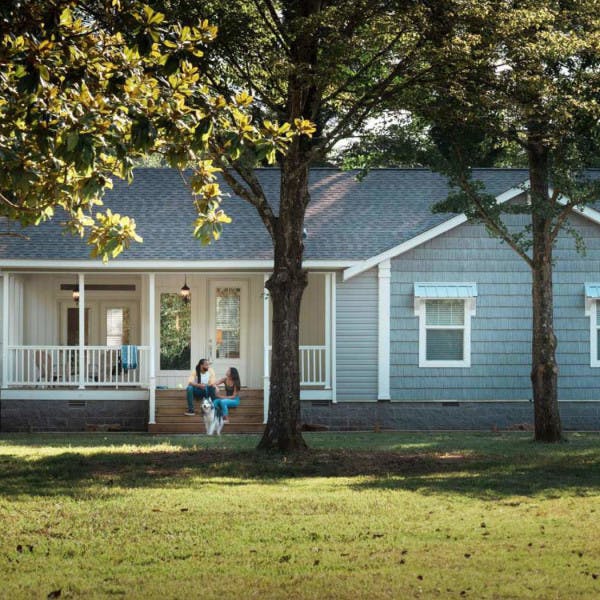
Local zoning remains top challenge for manufactured housing
Realtor.com research suggests areas with low land costs and smaller shares of starter homes could see the biggest impacts — but only if local zoning laws allow.


A new federal law that eases regulations on manufactured housing in a bid to address affordability concerns could end up facing local zoning headwinds across much of the country.
A report released today by Realtor.com assessed which markets stand to benefit most from the manufactured housing components of the 21st Century ROAD to Housing Act, which became law over the summer. Most of the changes are slated to take effect in January, though some provisions will be phased in over time depending on federal and state-level implementation strategies.
'Local leaders still decide': The law's key change for the manufactured housing industry is the elimination of a requirement that each prefab home have a permanent steel chassis for towing. This is expected to reduce material costs and provide more home design options, including for multi-level homes.
However, research by Land Use Labs indicates only about 17% of zoned land across the country expressly allows manufactured housing parks, Realtor.com's report noted.
"A home that looks more like a site-built home may face less resistance from communities that have used design standards and zoning rules to keep manufactured housing out," said Danielle Hale, chief economist at Realtor.com. "But the federal change can only open the door. Local leaders still decide whether these homes can move from the factory to a neighborhood."
Metros with greatest potential impact: Realtor.com's report, which sought to determine where the law could have the biggest impacts, ranked metro areas based on where land is relatively affordable, what new construction costs and whether the area has a low share of available starter homes.
The report determined that the five metros that best fit that criteria were: Hartford, Connecticut; Denver, Colorado; Allentown, Pennsylvania; Albuquerque, New Mexico; and Colorado Springs, Colorado. The trend, according to Realtor.com Senior Economist Joel Berner, is that the markets with the most to gain are not necessarily the biggest.
"Whether that opening turns into new supply will depend on whether local rules allow these homes by right and whether communities are willing to update standards written for an older version of the product," Berner said.
More manufactured housing changes coming: Another recently introduced federal action is pushing for more manufactured housing options. Last week, President Donald Trump signed an executive order creating a task force on manufactured housing innovation, which the administration suggested could help address persistent housing affordability strains.
While the order could help provide first-time buyers with new options down the line, the bigger challenge remains getting local communities on board, according to Jason Madiedo, CEO of SimplyPMG.
The primary obstacle "has never really been the home's cost. It's that the product took hold in the Pacific Northwest, parts of Arizona and a bit of the Midwest, but most other coastal states have shown less interest," Madiedo said in a statement.
"Whatever the task force does on cost," Madiedo added, "the real test is the dynamic between municipalities and counties and the desire to expand the local manufactured housing market."